
A window of (missed) opportunity? A comprehensive stocktake and energy-system impact assessment of global COVID-19 recovery packages
by Eleftheria Zisarou, E3 Modelling
The global response to COVID-19 profoundly reshaped economic priorities, presenting a unique moment to rethink how recovery efforts could align with our climate goals. As unprecedented fiscal stimulus packages were rolled out worldwide to revive economies damaged by the pandemic, many viewed these recovery measures as an opportunity to accelerate the clean energy transition and help bridge the gap toward meeting the Paris Agreement targets. However recent analyses reveal a mixed picture.
This study aims to examine the potential of recovery packages to bridge the long-term climate ambition gap. To enable such comprehensive assessment, first it develops an open-access database taking stock of all announced green recovery measures. Second, these measures are explicitly translated into three Integrated Assessment Models, allowing the assessment of their implications for energy systems, emissions, and technology development globally in a dedicated scenario exercise. Third, it quantifies the missed opportunity in global recovery spending in terms of accelerating the clean energy transition, by exploring a theoretical reallocation of funding from energy affordability measures towards green technologies. Results suggest that, while current recovery funding may not be sufficient to boost climate efforts with sustained effects post-2030, redirecting part of the recovery funds to clean technologies could accelerate decarbonisation and electrification trends in some sectors. With or without altering the global COVID-19 recovery portfolio to a synthesis that is more favourable in energy transition terms, however, recovery funds alone cannot ensure a just and inclusive transition unless complemented by systemic reforms, targeted sectoral strategies, and international collaboration.
This is precisely the challenges that ACCLIMATE project aims to tackle. ACCLIMATE focuses on enabling low-emissions, climate-resilient development pathways that are not only scientifically sound but also socially just and politically viable. The timing of ACCLIMATE’s study is critical as the international community gears up for COP30, where nations will need to present more ambitious and credible climate strategies. The lessons learned from the COVID-19 recovery funding underscore that financial stimuli alone cannot guarantee the deep and systemic transitions required. Instead, coordinated international collaboration, aligned sectoral policies and inclusive governance mechanisms, pillars of ACCLIMATE’s approach, are essential to drive meaningful progress.
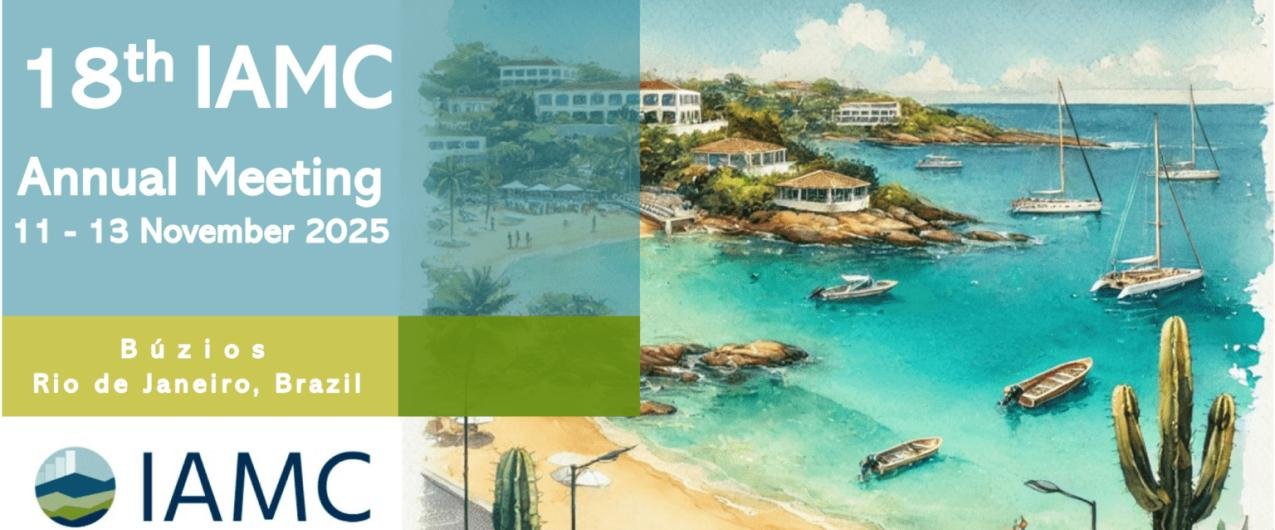
The findings of this study, along with its innovative methodology will be presented at the IAMC 2025 conference in Brazil. The presentation will offer a valuable opportunity to engage with international modelling and climate research community, fostering dialogue on how recovery funding can better support global climate goals in line with recent initiatives like ACCLIMATE and the upcoming COP30.